Times of India News Link
Sunday, October 9, 2016
International Moon Observation Night Celebrated
Times of India News Link
Saturday, October 8, 2016
International Moon Observation Night will be Celebrated by Kutch Astronomy Club with the help of NASA
For more information about the InOMN click http://www.lpi.usra.edu/observe_the_moon_night/
Sunday, April 24, 2016
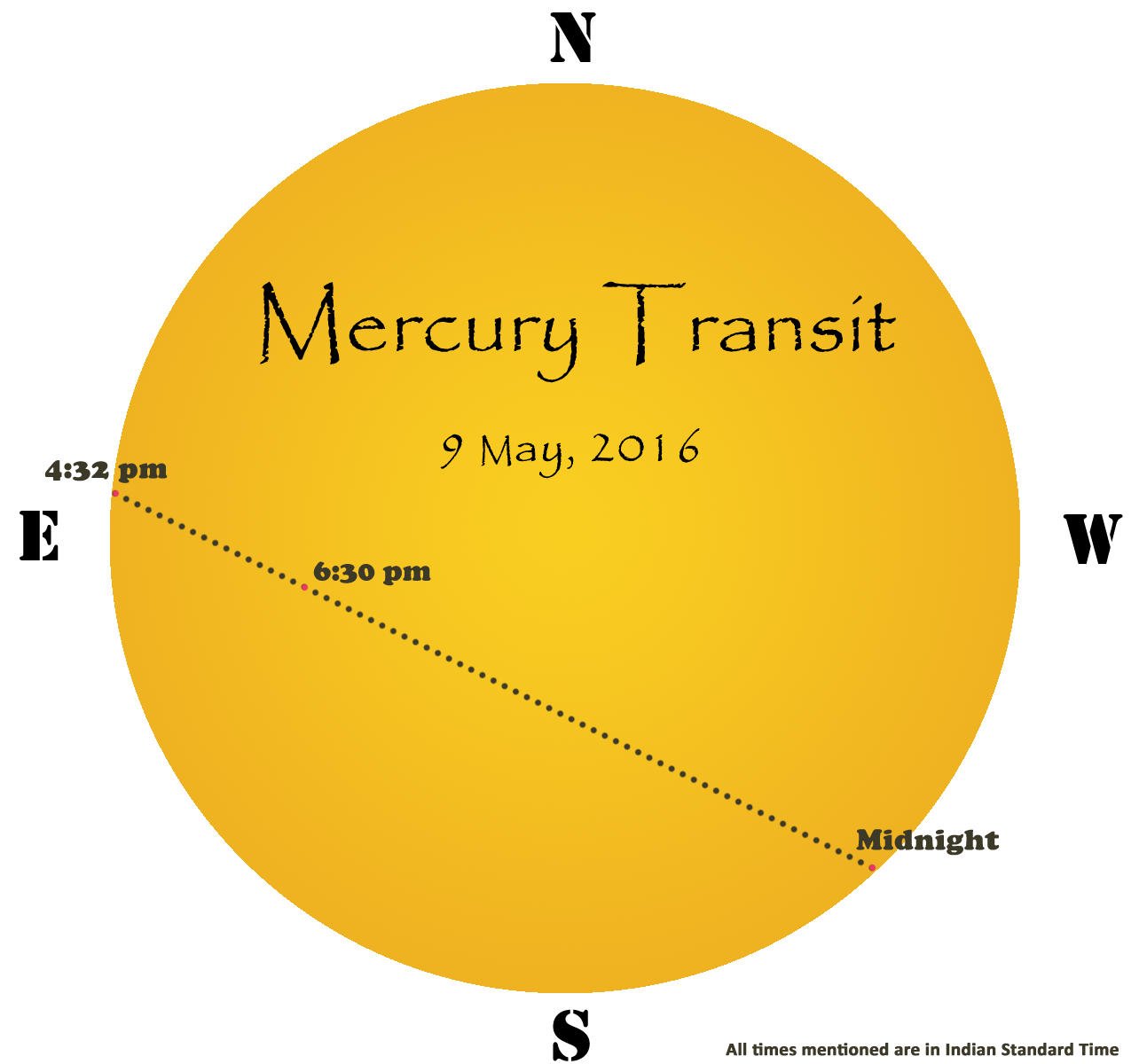
Transit of Mercury – 2016
Observation Program for Mercury Transit for all Astro lovers Date: 09th May 2016 Time 4.00pm to Sunset
1. Bhuj - Place Mundra Relocation Site Char Rasta Prathmik School Bhuj contact no. 9428220472
2. Mandavi- Gurukul School of science Koday Pool Contact. No. 9033387374
Transit of Mercury – 2016
The Sequence of the Transit:
What will we see?
Observational constraints:
| City | Area | Sunset time |
| Srinagar | North | 19:20 IST |
| Imphal | East | 17:48 IST |
| Nagpur | Centre | 18:42 IST |
| Bhuj | West | 19:23 IST |
| Madurai | South | 18:30 IST |
Sun Set time for the Kutch Places
Gujarat Places
Sharing the Transit
Using Telescope or Binoculars:
Links
- Build a Simple telescope [NASA]
- An Easy and Safe Telescope Solar Viewer adapter [IUCAA]
- Build a Sun Funnel to attach to a telescope [Astro Soc of the Pacific]
- How to Look At The Sun [Sky & Telescope Magazine]
- Looking at a Solar Eclipse [Arvind Gupta Toys]
- EclipseWise.com [Fred Espenak - "Mr. Eclipse"]
POEC's ToM activities
- Put out material on transits, and hence eclipses and conjunctions, in the public media. This will help in
(a) combating superstitions and
(b) promote general astronomy knowledge - To get the public, but especially the students to see the transit in some form or the other
Use the transit to get students to do Daytime Astronomy experiments
- Promote observation of this event via workshops or resource material and content for such workshops.
- Arrange, with help from 4-5 locations around the country (observatories + amateurs) for a live broadcast on the web and on TV.
- Bring out a booklet on the history and astronomy of the transit, and how to observe the transit.
- Translate the booklet and put all the pdfs up online for free.
- Ask small telescope owners to register with us for showing the Transit to the public.
- Co-ordiante with media & share the information in relevant circles.
Monday, April 4, 2016
Mercury Transit 9th May 2016 from Kachchh
Question:- What is Transit of Mercury?
we are planning to observe the Transit of Mercury from various places of Kachchh District like Bhuj, Lakhapat, Rapar, Nakhatrana etc
Any interested wants to join or wish helping hand can contact +919428220472
Thursday, March 3, 2016
Geminids proves its Reliability 2015
Geminds proves its Reliability
Astronomer from White Rann desert of Kachchh
Sandhya came from Sweden while Ankita travelled from Bangalore to White Rann only to watch the falling stars. This is the third year we go some dark places to watch the Geminids, we love this dark place and want to visit again and again for Star Gazing both said. Why they prefer Geminds only? Ankita Shrivastav said Geminids are very special and reliable! !!
We enjoyed here for two full night under the dark sky!! She added
Enthusiasts people recorded arround 500 meteors up to 5.30am
In the begenning Narendra Gor informed about the meteors and constellation Gemini was also shown by Him
Mr. Manish Adhiya a Manager welcomed all on behalf of White Rann Campaign
Mr. Nishant showed and demonstrate how to take photographs of heavenly bodies, he practically took some photographs of the meteors
Mr. Aarif and Bhimji member of the star gazing team handled the 6 inch Telescope.
More than 70 Tourists visited the Star Gazing site
Mr. Aakil gave a vote of thanks
Wednesday, January 27, 2016
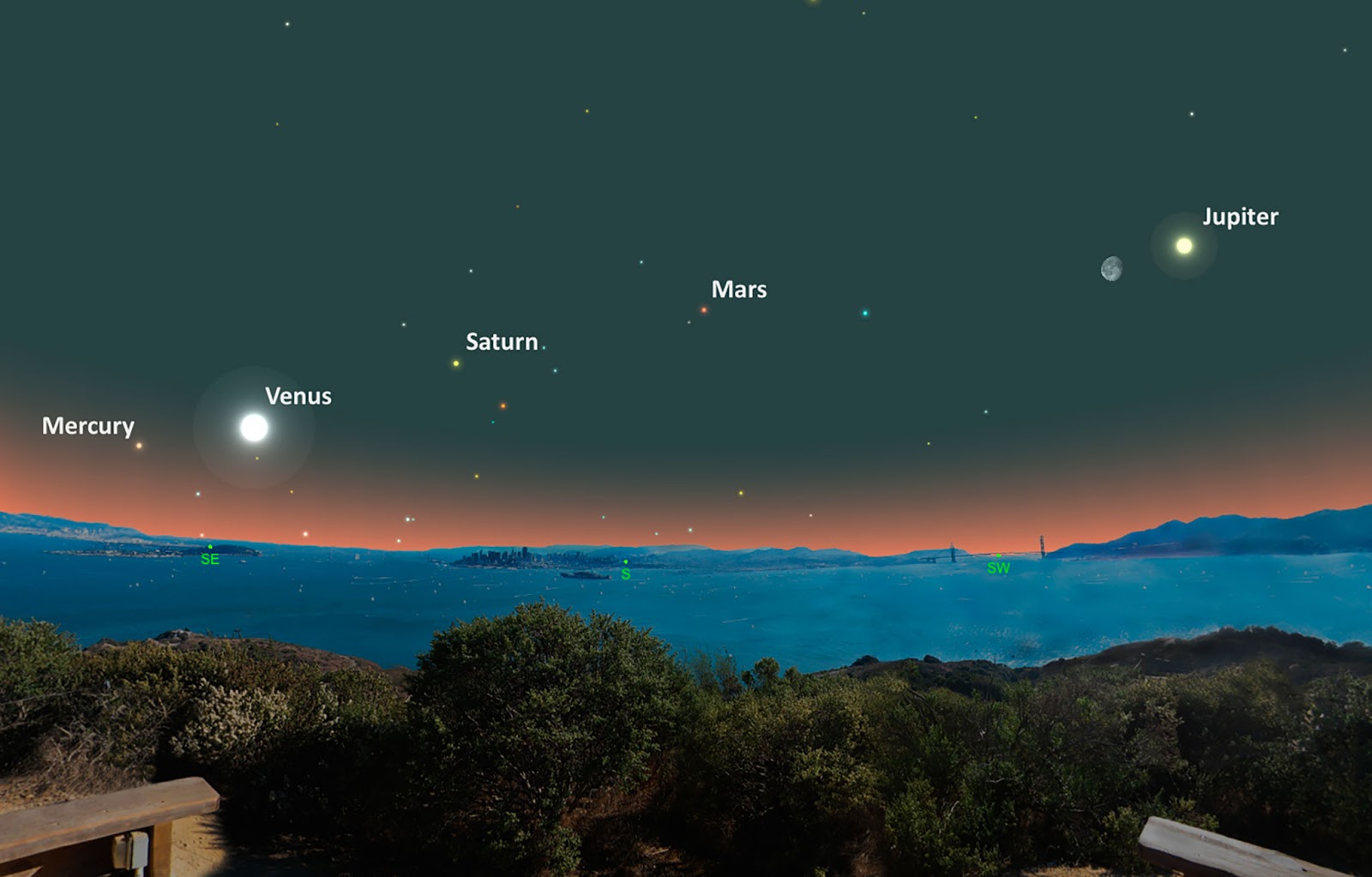
How you will See Five Planets Align in the Morning Sky
How to See Five Planets Align in the Morning Sky
If you look at the right time, the moon will also be a part of the cosmic parade.
Skywatchers will soon have a rare opportunity to view five bright planets in the morning sky.
Over the next two weeks, five planets will line up for a cosmic dance that will dazzle skywatchers all over the world.
Mercury, Venus, Mars, Jupiter, and Saturn are aligning for the first time in over a decade, and there’s no need for telescopes or binoculars to see the event, since all five planets will look like bright stars in the morning twilight.
On January 28, the moon will join the five visible planets in the dawn sky, first stopping by Jupiter, high in the sky
While many early risers may have noticed some of the planets days ago, the best time to look will be from Saturday, January 23 through the end of the first week of February.
During those days, there will be a narrow window in which to catch Mercury in line with the others. If you look too early, it’ll be hidden below the horizon. If you look too late, it’ll be washed out by sunlight. The prime time to see it and the other planets will be about 30 to 60 minutes before local sunrise. Since Mercury will be very low in the southeast
(the same direction as the rising sun), make sure to find a viewing spot with a clear view of the horizon.
Venus, the brightest of all the visible planets, will appear to the upper right of Mercury.
On January 22nd, the two planets will be separated by about 10 degrees, equal to about the width of your fist at arm’s length.
By February 10 the two planets will be less than 5 degrees apart, or about the width of your three middle fingers at arm’s length.
The planetary alignment visible in Earth’s skies is due to the relative positions of the planets in their orbits around the sun.
The other three planets will be further to the upper right of Venus. Yellow-colored Saturn, a bit dimmer than Venus, comes first. If you have a telescope, this will be a good time to train it at Saturn and marvel at the planet’s magnificent rings and brighter moons.
Mars will appear to Saturn’s right, looking bright orange, with Jupiter off to its far upper right, completing the alignment high in the sky. Binoculars will show off Jupiter’s four largest moons, which were first seen by Galileo in 1609 with the newly invented telescope.
The entire lineup of planets spans some 110 degrees—more than half of the locally visible skyline.
The planets’ simultaneous visibility in one part of our sky is due to their positions in their respective orbits relative to Earth and the Sun.
By February 6, the thin crescent moon will pose with brilliant Venus and Mercury low in the southeast at dawn.
As an added bonus, the moon will play cosmic hopscotch, jumping from one planet to the next, offering an amazing photo opportunity for sky hounds.
The moon will first pair up with Jupiter on January 27 and 28, then it will park itself next to Mars on February 1,
Saturn on February 3, Venus on February 5, and finally Mercury on February 6.
If you miss this alignment, your next chance to so easily see a grand parade of five planets will be in July 2020.
Clear skies!
For more information
Whatsap 9428220472
Narendra Gor
Kutch Astronomy Club
✨
Tuesday, November 24, 2015
Thursday, April 2, 2015
Total Lunar Eclipse 04-04-2015
ખગ્રાસ ચન્દ્ર ગ્રહણ (ગ્રસ્તોદિત) Date 04-04-2015 નરેન્દ્ર ગોર સાગર 9428220472
ચૈત્ર શુક્લ પૂનમ શનીવાર તા. ચોથી એપ્રિલ ને હનુમાન જયંતિના દિવસે કન્યા રાશીમાં થનાર ખગ્રાસ ચન્દ્ર ગ્રહણ ભારતમાં ગ્રસ્તોદિત દેખાશે.આ બાબતે વિગતો આપતાં કચ્છ એસ્ટ્રોનોમી ક્લબના નરેન્દ્ર ગોર સાગર જણાવે છે કે ઈસ્વીસન 2015 નું પ્રથમ ચન્દ્ર ગ્રહણ ભારત સહિત એશિયા, ઓસ્ટ્રેલિયા, ઉત્તર અને દક્ષિણ અમેરિકાના પૂર્વ ભાગમાં દેખાશે. બ્રિસબેન, મેક્સિકો, સાન ફ્રાન્સિસ્કો, સીડની, હોનોલુલુ, મેલ્બોર્ન, સિંગાપોર, બૈજીંગ જેવા સ્થળોએ ખગ્રાસ દેખાશે જ્યારે ભારતમાં આ ગ્રહણ ગ્રસ્તોદિત દેખાશે. ગ્રસ્તોદિત એટલે ચન્દ્રના ઉદય સમયે ગ્રહણ લાગેલું હશે. ઈશાન ભારતના અતિ પૂર્વના વિસ્તારોને બાદ કરતાં સમગ્ર ભારતમાં આ ગ્રહણ ખંડ ગ્રાસ દેખાશે. ગ્રહણનો સ્પર્શ કે મધ્યભાગ જોઈ શકાશે નહીં. ફક્ત ગ્રહણનો મોક્ષ દેખાશે. પૂર્વના વિસ્તારો તરફથી જેમ જેમ પશ્ચિમ બાજુ ગ્રહણ આગળ વધતું જશે તેમ તેમ ગ્રહણ દેખાવાનો સમય ઘટતો જશે. ભારતમાં કચ્છ એક એવો વિસ્તાર હશે જ્યાં સૌથી ઓછો સમય ગ્રહણ જોવા મળશે. ભુજમાં આઠ મિનિટ માટે તો નારાયણ સરોવરમાં ફક્ત ત્રણ મિનિટ માટે ગ્રહણ જોવા મળશે.
ભારત ગુજરાત તેમજ કચ્છના વિવિધ સ્થળોએ ચદ્રના ઉદયનો સમય, ગ્રહણ ની સમાપ્તિનો સમય તથા ગ્રહણની અવધિ દર્શાવતો કોઠો જોતાં ખ્યાલ આવશે કે ગ્રહણ સમાપ્તિનો સમય બધા સ્થળોએ એક જ છે જ્યારે ચંદ્ર ઉદયનો સમય અલગ અલગ હોવાથી ગ્રહણ દર્શનના સમયમાં વધ ઘટ થાય છે.
ગુજરાતમાં ગ્રહણ દર્શનનો સમય ઓછો હોઈ ખગોળ શોખીન લોકોને નિરાશ ન થતાં કેટલીક મહત્વની ટીપ આપતાં નરેન્દ્ર ગોર વધુ માં જણાવે છે કે ગ્રહણ ને જોવા માટે ઉંચાઈ વાળું સ્થળ પસંદ કરવું જોઈએ. પૂર્વ દિશા ખુલ્લી હોય, વૃક્ષ, મકાન કે ડુંગરની આડશ ન હોય તેવી જગ્યા આદર્શ ગણી શકાય. ક્ષિતિજ માં વાદળા કે ધુમ્મસ ગ્રહણ દર્શનમાં બાધક બની શકે છે. ખગોળ શોખીનો માટે વધુ રસપ્રદ માહિતિ આપતાં શ્રી ગોર જણાવે છે કે પૃથ્વિ ના બે પડછાયા આંતરિક્ષમાં પડતા હોય છે જેને સાદી ભાષામાં ઘેરો પડછાયો અને આછો પડછયો કહી શકાય, ગ્રહણ પૂરું થવાનો જે સમય જણાવેલો છે તે સમયે ચન્દ્ર પૃથ્વીના ઘેરા પડછાયામાંથી બહાર નીકળી જશે પરંતુ પૃથ્વીની આછી છાયા તો ચન્દ્ર ઉપર પડતી જ હશે. એટલે ટેકનિકલી ગ્રહણ તો ચાલુ હશે. સામાન્ય રીતે પૂનમ ના ચન્દ્ર નું જે અજવાળું જોવા મળે તેટલું અજવાળું જોવા નહીં મળે અને ચન્દ્ર પ્રમાણમાં ઓછો પ્રકાશિત દેખાશે. જે ઉપરછલ્લી રીતે ખ્યાલ નહીં આવે પરંતુ ખગોળ શોખિનો કે વૈજ્ઞાનિકો ખાસ ઉપકરણ વડે તે જોઈ શકે છે. પૃથ્વીની આછી છાયામાંથી ચન્દ્ર 20 કલાક 29 મિનિટે દુર થશે આ સમય દરમિયાન સારા દુરબિન કે ટેલિસ્કોપથી પૃથ્વીની આછી છાયા ચન્દ્ર ઉપર પડતી તેમજ ધીરે ધીરે ખસતી જોઈ શકાય છે અને ચન્દ્રના પ્રકાશમાં થતો વધારો પ્રકાશ સંવેદક સાધનો દ્વારા માપી શકાય છે. તેમજ સારા કેમેરા દ્વારા પાડવામાં આવેલા ફોટોમાં પણ ઝીલી શકાય છે.
ગ્રહણ એ કુદરત દ્વારા થતો પડછાયાનો ખેલ હોઈ આવી ખગોળીય ઘટનાને માણવા તેમજ અંધશ્રધાથી દૂર રહેવા અને વધુ માહિતિ માટે કચ્છ એસ્ટ્રોનોમી ક્લબ સી-122, મુન્દ્રા રિલોકેશન સાઈટ, ભુજ કચ્છનો 9428220472 ઉપર સંપર્ક સાધવા યાદીથી જણાવવામાં આવે છે.
ભારતના વિવિધ વિસ્તારોમાંચન્દ્ર ઉદયનો સમય દર્શાવતો કોઠો Timing of Moon rise in Various Parts of India Date 04-042015
CITY ચન્દ્ર ઉદય
કલકતા Kolkata - 17-49
દિલ્હી Delhi - 18-49
મુમ્બઈ Mumbai - 18-52
અમદાવાદ Ahmedabad - 18-55
સુરત Surat - 18-53
મહેસાણા Mahesana - 18-56
રાજકોટ Rajkot - 19-02
જામનગર Jamnagar - 19-05
ભુજ Bhuj - 19-07
અંજાર Anjar - 19-06
નખત્રાણા Nakhtrana - 19-09
માંડવી Mandavi 19-08
નલિયા Naliya - 19-11
નારાયણ સરોવર Na.Sarovar 19-12
રાપર Rahpar 19-03
Monday, September 22, 2014
All Gujarat Astronomers Meet 2014(2)
Date: 01-11-2014 t0 02-11-2014
Place : Nalanda Vidhyalay
Vavadi Road, Near Trikon
Post: Deradi (Kumbhaji)
Ta. Gondal
Dist Rajkot
Registration Fee : Rs. 200/- only
Contact :
Narendra Gor Bhuj 9428220472
Dhanajay Raval Ahmedabad: 9898121289
Dilip Devmurari Amareli: 9879573220
Nilesh Rana Rajkot: 9426473394
Dhiren Meshvaniya Jamnagar : 9879516990
Rahul Zota Kutch Bhuj : 9879068903
Tuesday, April 15, 2014
Lyrids Meteor Shower
The April Lyrids (LYR, IAU shower number 6 ) are a meteor shower lasting from April 16 to April 26 each year. The radiant of the meteor shower is located in the constellation Lyra, near this constellation's brightest star, Alpha Lyrae (proper name Vega). Their peak is typically around April 22 each year.
The source of the meteor shower is particles of dust shed by the long-period Comet C/1861 G1 Thatcher. The April Lyrids are the strongest annual shower of meteors from debris of a long-period comet, mainly because as far as other intermediate long-period comets go (200 - 10,000 years), this one has a relatively short orbital period of about 415 years. The Lyrids have been observed for the past 2600 years.
The shower usually peaks on around April 22 and the morning of April 23. Counts typically range from 5 to 20 meteors per hour, averaging around ten. As a result of light pollution, observers in the country will see more, observers in the city fewer. Nights without a moon in the sky will reveal the most meteors. April Lyrid meteors are usually around magnitude +2. However, some meteors can be brighter, known as "Lyrid fireballs", cast shadows for a split second and leave behind smokey debris trails that last minutes.
Nishant Gor
Kutch Astronomy Club
Wednesday, July 10, 2013
Milky Way & Summer Triangle.... Photo By Club Member Nishant Gor
Constellations &/ Object's Details: Cygnus, Lyra, Aquila, Sagitta, Scutum, Serpens Cauda, Few Stars of Hercules, Etc.
Exposure Data
Camera: Canon EOS 550D
Lens:18X135 mm Canon Lance
Focal Length:18mm
F/Stop: 4.0
Exposure & Frame Details: 60 Sec X 13 Exp. + ( 10 Dark Frame )
ISO: 1600
Mode: Manual
White Balance: Auto
In-Camera Noise Reduction: No
Filter: Standard UV Filter
Mount: Single Axis EQ5 Motorized Mount
Time N Duration: 03 : 50 to 04 : 11 IST
Date: 05/05/2013 (IST)
Location: Place of Photography : MakanPar Dhosa 18 KM Far from Bhuj, Kachchh, Gujarat
Calibration: No
Processing: DSS, PS 7
Saturday, July 6, 2013
Program at Rotary English High School Bhuj feed back from the Students
I show some slides of the photographs taken by Hubble ans showed the beautiful universe with Solar system. I also Talk about some superstitions in our society and also talked about Children science Congress. I am also Thankful to our club member Shiv Shankar Gor for introducing me in the School and by whom the program was organized
I took the feed back from the students in a halfway of the lecture so I can continue with their questions.
What I got was amazing it was wonderful some of them is here to share with you
રોટરી ઈંગ્લિશ સ્કૂલમાં બ્રહ્માંડ દર્શનની સાથે અંધ શ્રદ્ધા નિર્મૂલન અને રાષ્ટ્રિય બાળ વિજ્ઞાન પરિષદના પ્રકલ્પ વિશે પરિસંવાદનો કાર્યક્રમ યોજાયો
Some feedback and Questions from the Students